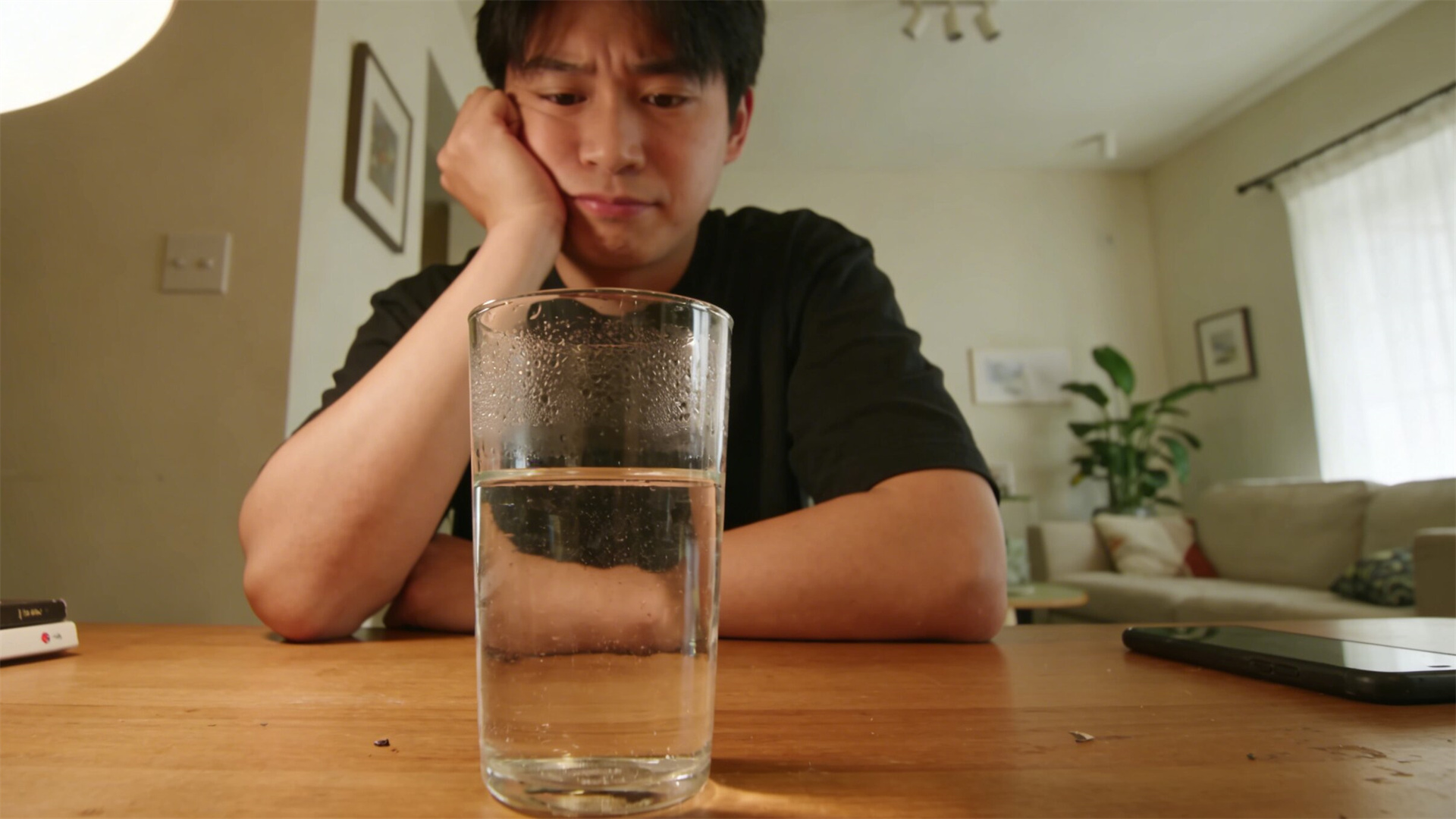
The mantra to drink eight glasses of water a day is one of the most persistent pieces of health advice. While its intention—to keep us hydrated—is noble, this one-size-fits-all rule is overly simplistic and often misleading. Proper hydration is far more nuanced than a universal quota. It’s a dynamic process influenced by what you drink, when you drink it, how you drink it, and who *you* are. Moving beyond the generic eight-glass guideline opens the door to a more personalized, effective, and insightful approach to hydration that can significantly enhance your energy, cognitive function, and overall well-being.
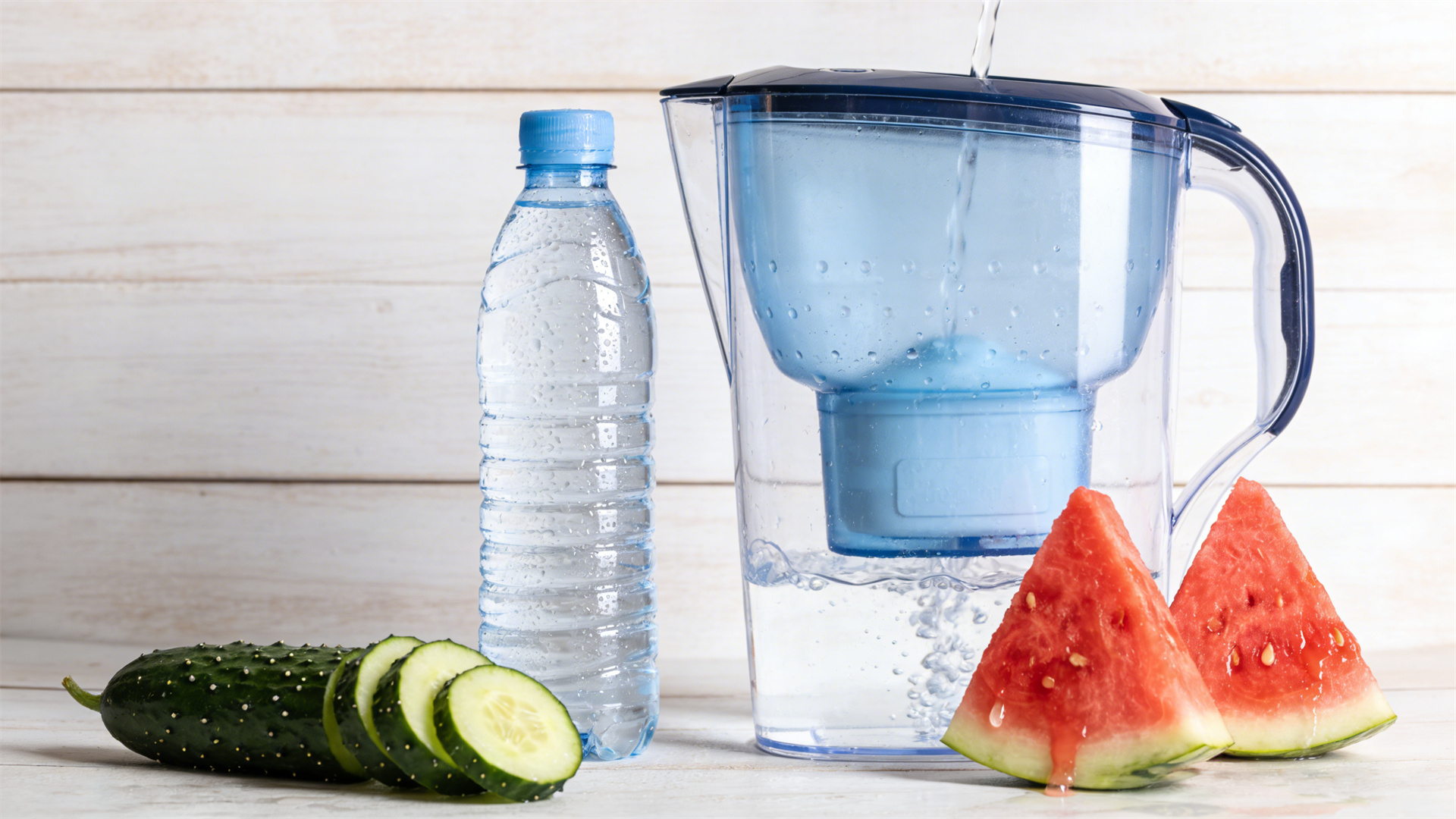
The foundation of hydration is, of course, water. But not all water is created equal, and the "what" extends beyond plain H2O. Tap water varies immensely in mineral content and quality based on location. For many, it's a perfectly safe and fluoride-rich option. Filtered water, whether through pitchers or under-sink systems, can improve taste and remove specific contaminants, making it a popular choice. Mineral water and spring water, bottled at the source, provide naturally occurring electrolytes like calcium, magnesium, and bicarbonate, offering a hydration boost. Conversely, the allure of "alkaline water" with a higher pH is largely unsupported by robust science for the average person. The key takeaway is that while plain water is excellent, incorporating mineral-rich sources and understanding your local tap water can add value. Furthermore, the "what" includes water-rich foods like cucumbers, watermelon, and oranges, and other beverages like herbal tea and milk, which all contribute meaningfully to your total fluid intake.

Timing your fluid intake can be as crucial as the total volume. Strategic hydration aligns with your body's natural rhythms and demands. Starting your day with one or two glasses of water is powerful. After 6-8 hours of sleep, your body is in a mild state of dehydration; rehydrating first thing kickstarts metabolism, flushes toxins, and sharpens mental clarity. Drinking a glass of water 20-30 minutes before meals can aid digestion and prevent overeating by promoting a sense of fullness. Conversely, drinking large amounts *during* meals may dilute stomach acids, potentially hindering digestion for some individuals. Hydrating before, during, and after exercise is non-negotiable, but the timing matters: drink about 500ml (17 oz) two hours before exercise, then sip smaller amounts regularly during the activity. Finally, listen to cues before bedtime; have a small drink if thirsty, but avoid excessive amounts to prevent sleep disruption from nocturia. The goal is consistent, mindful sipping throughout the day rather than punitive gulping to meet a phantom target.
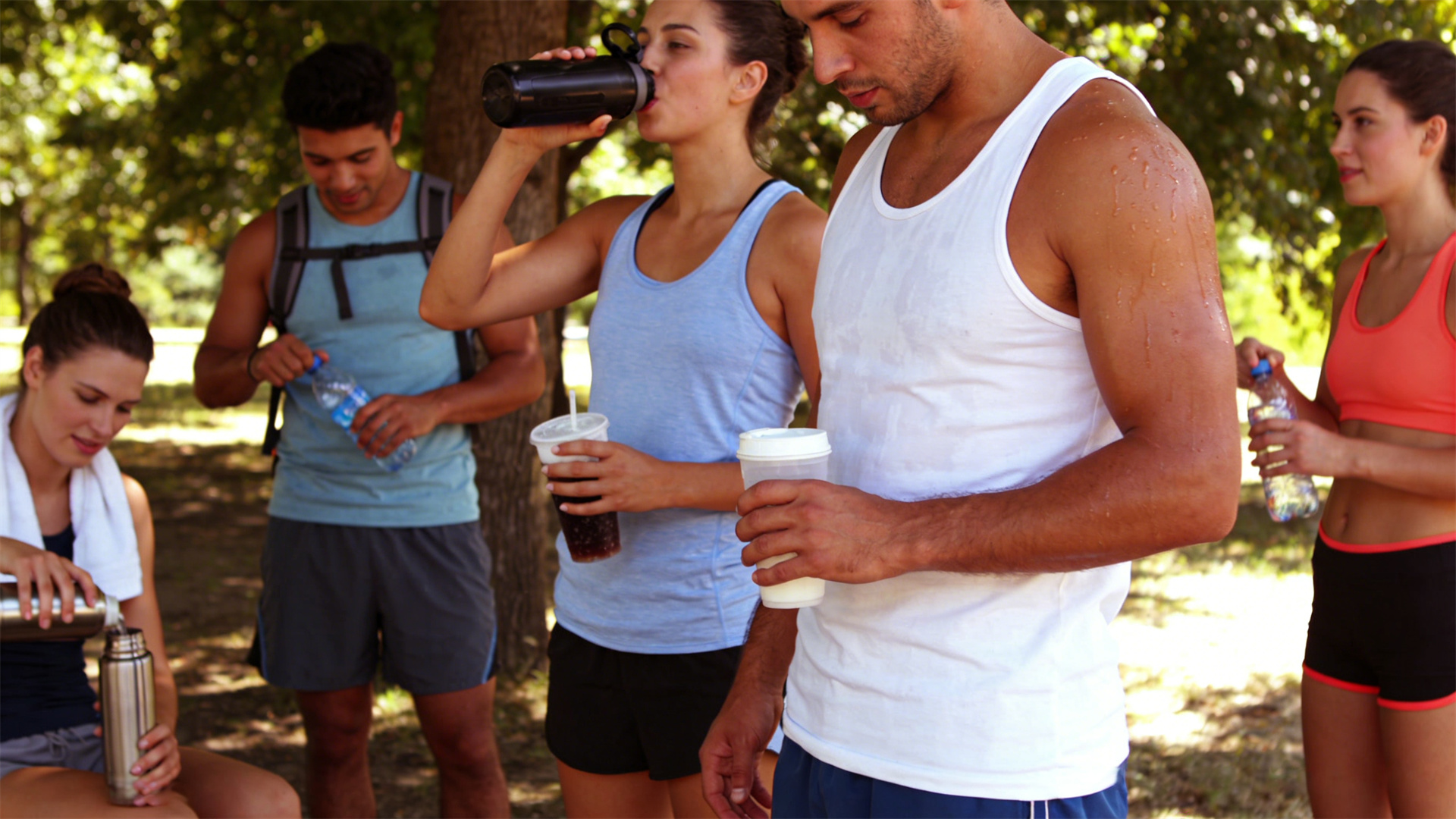
The eight-glasses rule fails because individual hydration needs are highly personal. Your body's demand for fluid is dictated by a complex interplay of factors. Body size and composition are primary; a larger person or one with more muscle mass requires more water than a smaller individual. Physical activity level is a major driver—sweat losses must be replaced. Environmental conditions such as hot, humid, or high-altitude climates increase fluid needs dramatically. Diet plays a role: a high-protein or high-sodium diet increases water requirement for processing, while a diet rich in fruits and vegetables supplies preformed water. Certain health conditions (like kidney stones or recurrent UTIs) and life stages (pregnancy and breastfeeding) also elevate needs. Perhaps the most reliable, personalized guide is your own body. Learn to read its signals: thirst is an obvious but late indicator. The color of your urine is a superb gauge—aim for a pale straw color. Dark yellow urine often signals a need for more fluids, while completely clear urine may indicate overhydration. Energy slumps, headaches, and dry skin can also be subtle signs of mild dehydration.
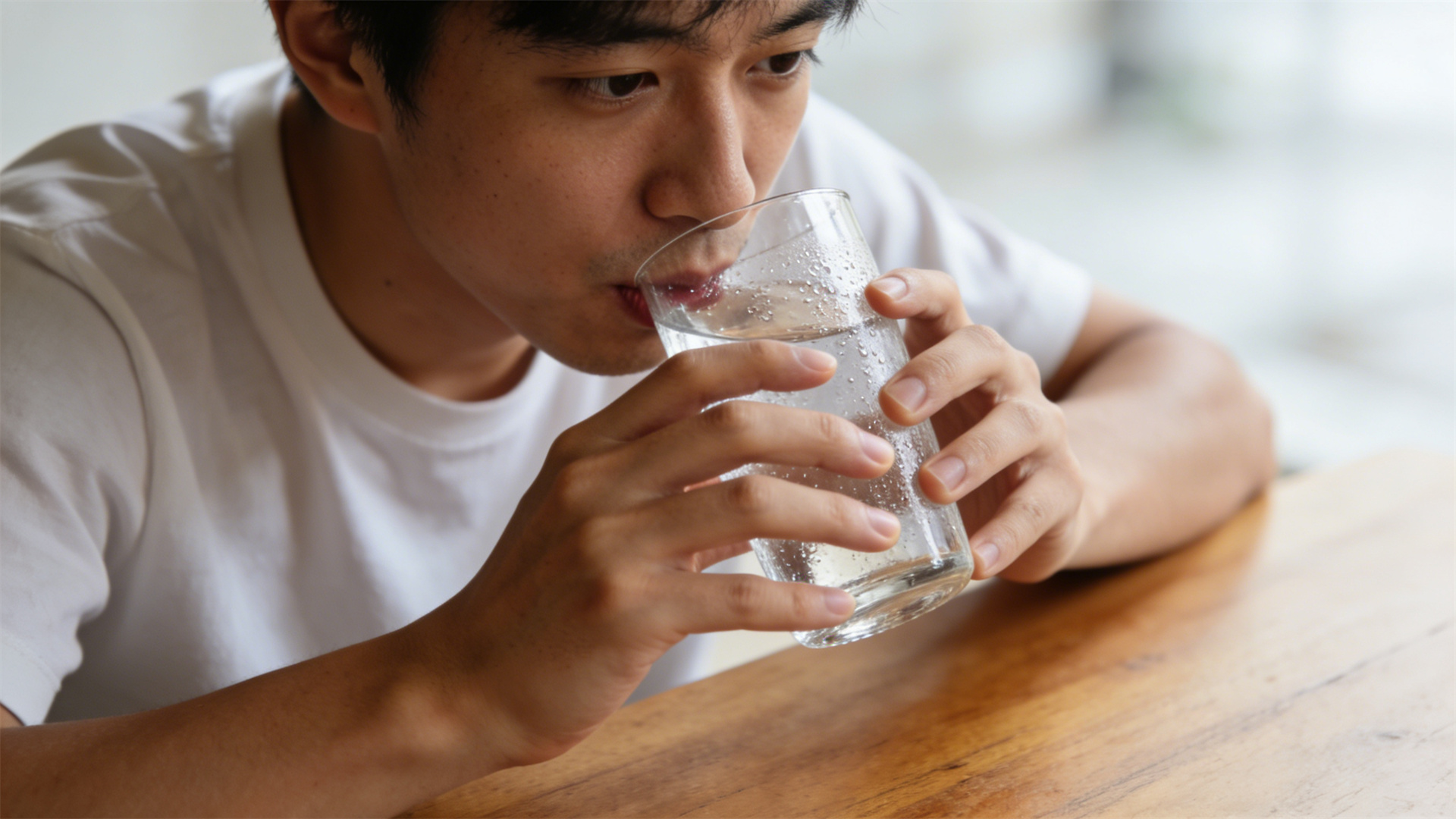
How you drink may influence how well your body utilizes the water. The practice of mindful drinking—sipping slowly throughout the day—allows for optimal absorption. Your small intestine absorbs water most efficiently when it's not overwhelmed by a large volume all at once, which often leads to rapid excretion by the kidneys. Temperature preference is personal; some find cool water more refreshing and palatable, encouraging them to drink more. There's no evidence that ice-cold water is harmful for most, though room temperature water may be slightly gentler on digestion. For those engaged in prolonged or intense exercise lasting over an hour, or for anyone sweating heavily, plain water may not be enough. Here, the "how" includes choosing a drink with electrolytes (sodium, potassium) and possibly carbohydrates. This replenishes lost salts and provides energy, preventing hyponatremia (dangerously low blood sodium) and improving fluid retention. Even in daily life, adding a pinch of high-quality sea salt or a squeeze of lemon to your water can enhance mineral intake and absorption.

While rare, it is possible to drink too much water, a condition known as water intoxication or hyponatremia. This occurs when excessive water intake dilutes the sodium levels in your blood to dangerously low levels, disrupting cellular function. It is most commonly seen in endurance athletes who drink only plain water over many hours without replacing electrolytes, or in individuals with certain psychiatric conditions. Symptoms can mimic those of dehydration—nausea, headache, confusion, and fatigue—and can progress to seizures, coma, and even death. This underscores the critical point that hydration is about balance, not maximalism. The goal is not to force water, but to provide what your body needs based on activity, climate, and physiology. For the vast majority of people following thirst and urine color cues, the risk of overhydration is extremely low, but it serves as an important reminder that more is not always better.
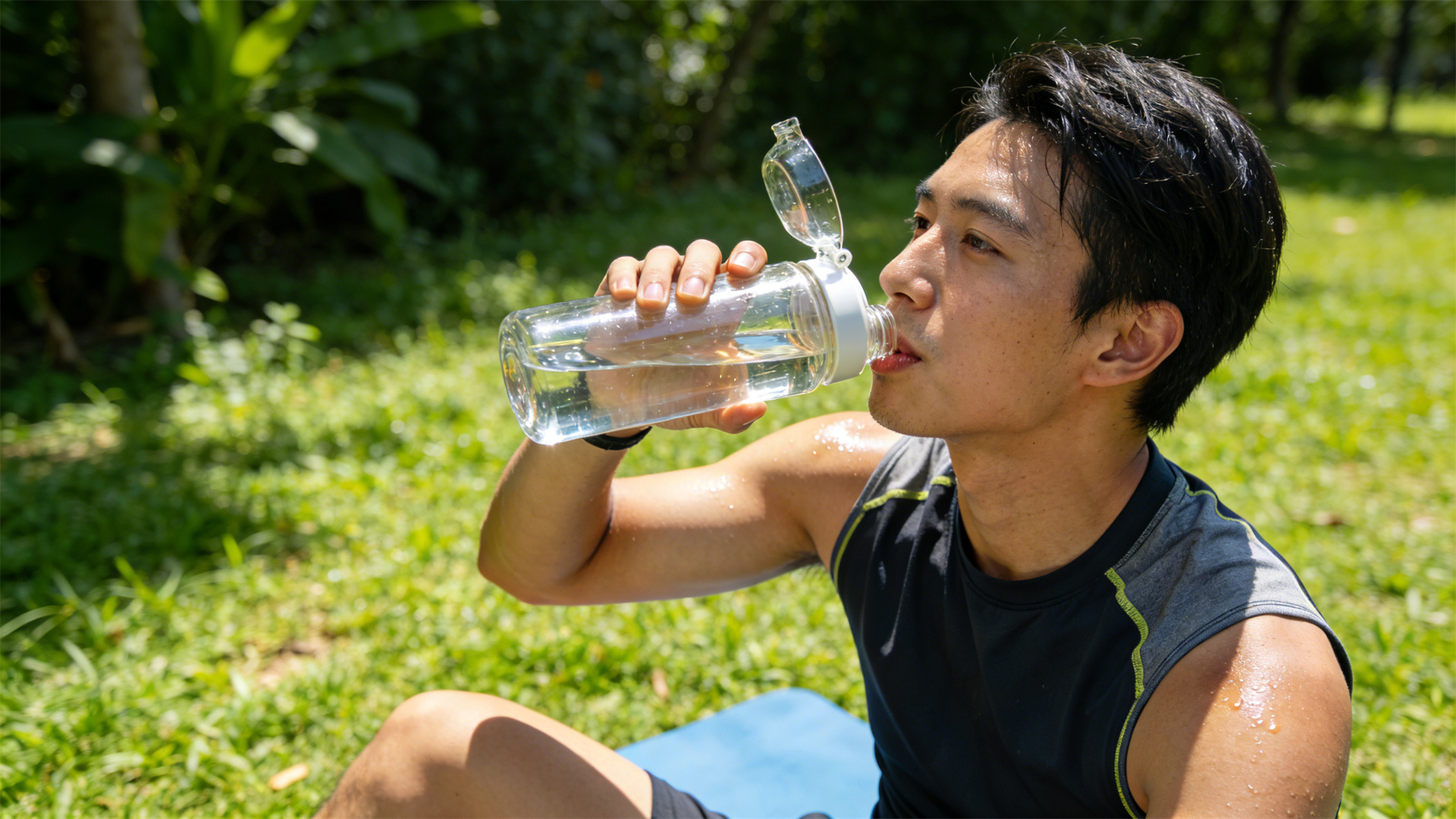
Hydration is a pillar of health that deserves more sophistication than a dated, arbitrary rule. By focusing on the quality and source of your fluids, timing your intake to support your body’s rhythms, personalizing your approach based on your unique physiology, adopting effective drinking habits, and understanding the balance to avoid extremes, you transform hydration from a chore into a conscious, supportive practice. Ditch the one-size-fits-all counting. Instead, cultivate an awareness of what your body is telling you, provide it with quality fluids consistently, and trust that you will meet its needs far more accurately than any universal glass count ever could. True hydration is less about a number and more about consistent, intelligent nourishment.