
In our fast-paced, digitally saturated world, feelings of anxiety, overwhelm, and constant "fight-or-flight" activation have become commonplace. Our nervous systems, designed to handle acute stressors, are now bombarded by chronic low-grade alarms from emails, news cycles, and social pressures. While the urge might be to reach for a quick fix, one of the most powerful and immediate tools for calm resides within us: our breath. Pranayama, the ancient yogic science of breath control, offers specific, accessible techniques that can directly influence the autonomic nervous system, shifting us from states of stress (sympathetic dominance) to relaxation (parasympathetic activation) in a matter of moments. Unlike generalized advice to "just breathe," these targeted practices provide a manual for your nervous system. The following techniques are simple, require no special equipment, and can be practiced almost anywhere to create an instant sense of calm.
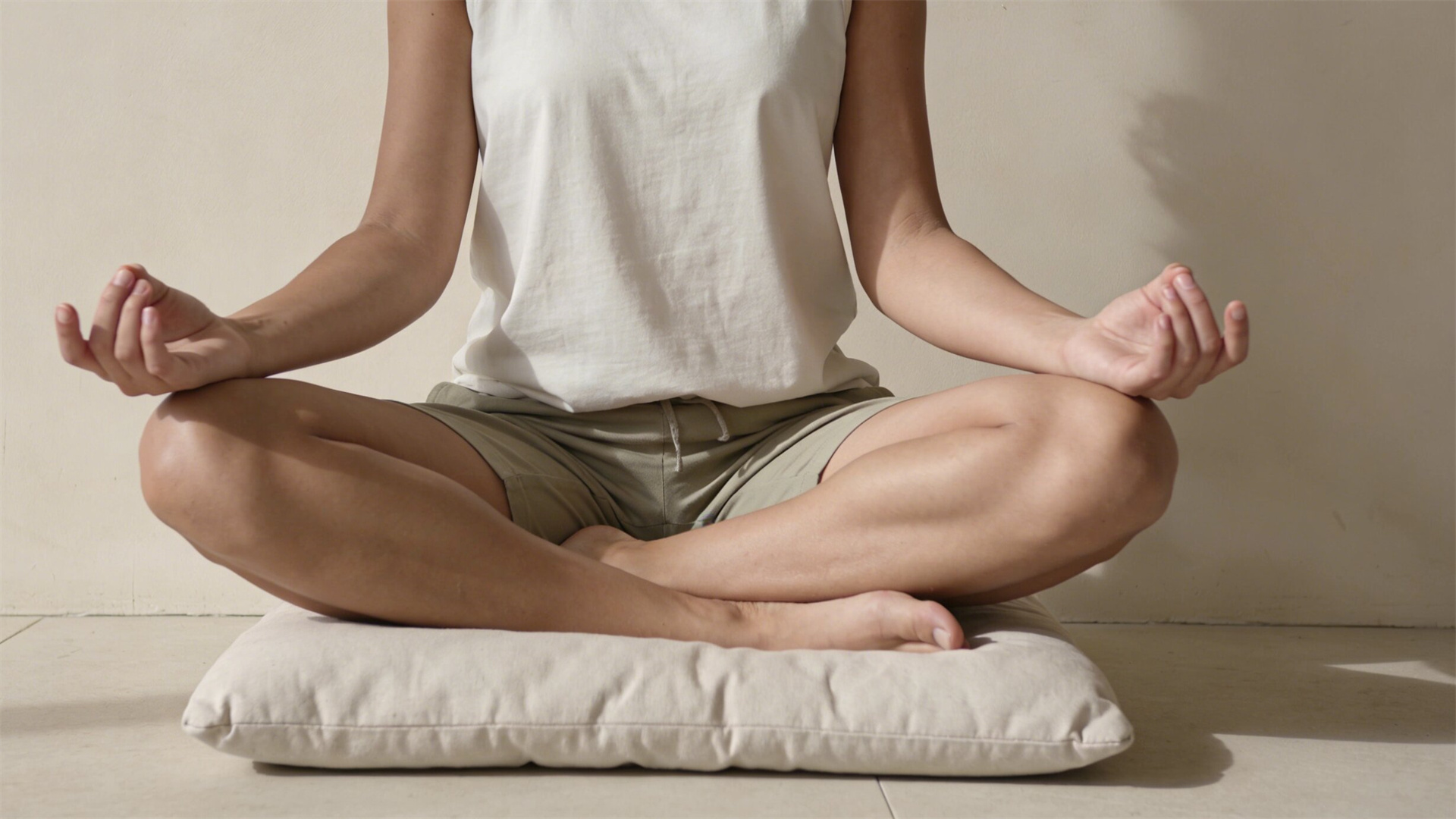
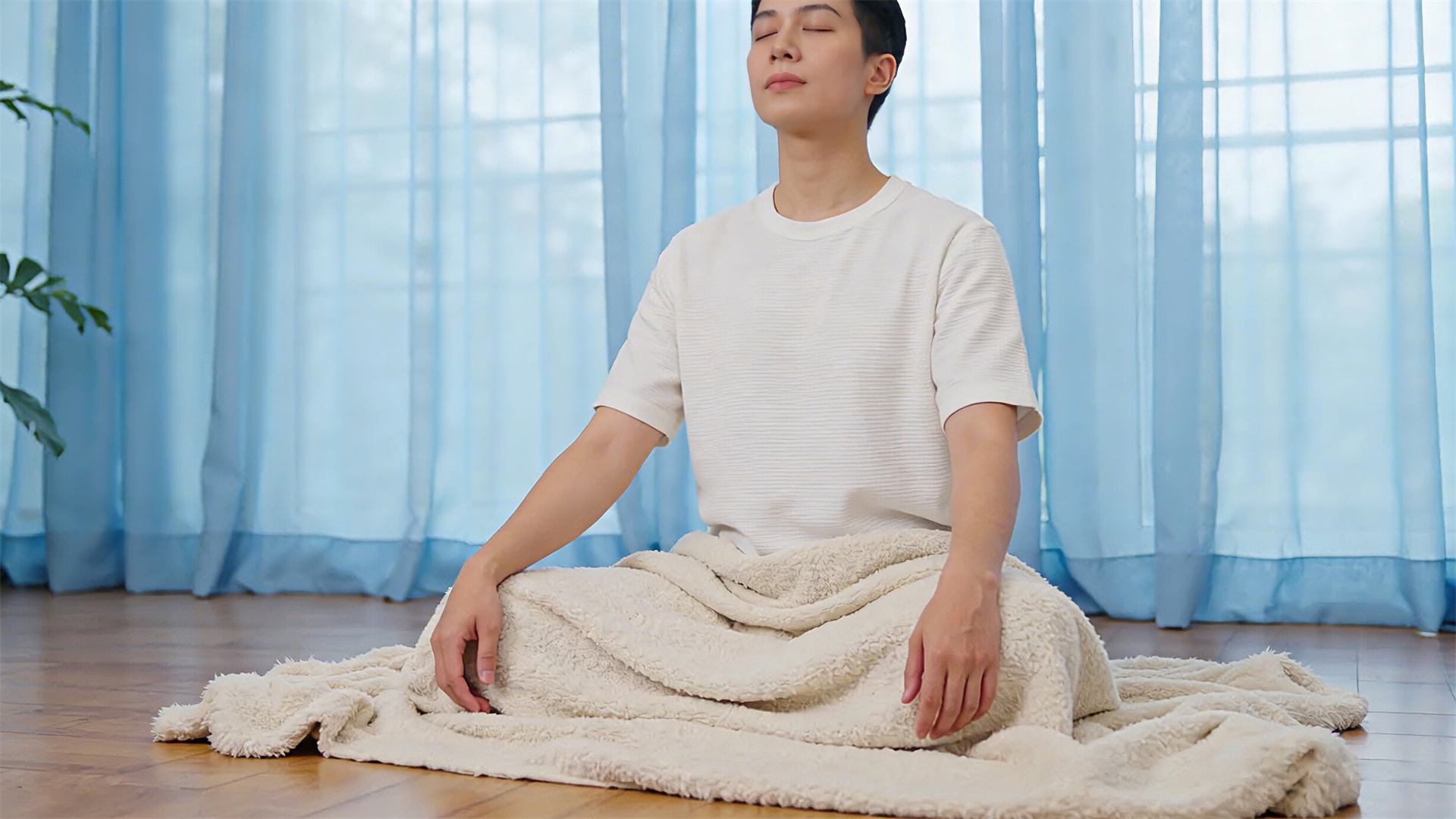
The foundation of all calming pranayama lies in elongating the exhalation. The sympathetic nervous system, responsible for the stress response, is linked to the inhalation. Conversely, the parasympathetic nervous system, which governs rest, digestion, and repair, is stimulated by a longer, slower exhale. By consciously making your exhalation longer than your inhalation, you send a direct biochemical signal to your brain and body to downregulate. This is not merely psychological; it physically slows the heart rate and lowers blood pressure. To practice, simply find a comfortable seated or lying position. Inhale gently through your nose for a count of four. Then, exhale smoothly and completely through your nose for a count of six or eight. Focus on the sensation of the breath leaving your body, releasing tension with it. Continue this 4-in, 6-8-out pattern for just two to five minutes. This disproportionate breathing is the simplest and most effective gateway to instant calm, and it can be done discreetly before a meeting, in traffic, or at night to prepare for sleep.
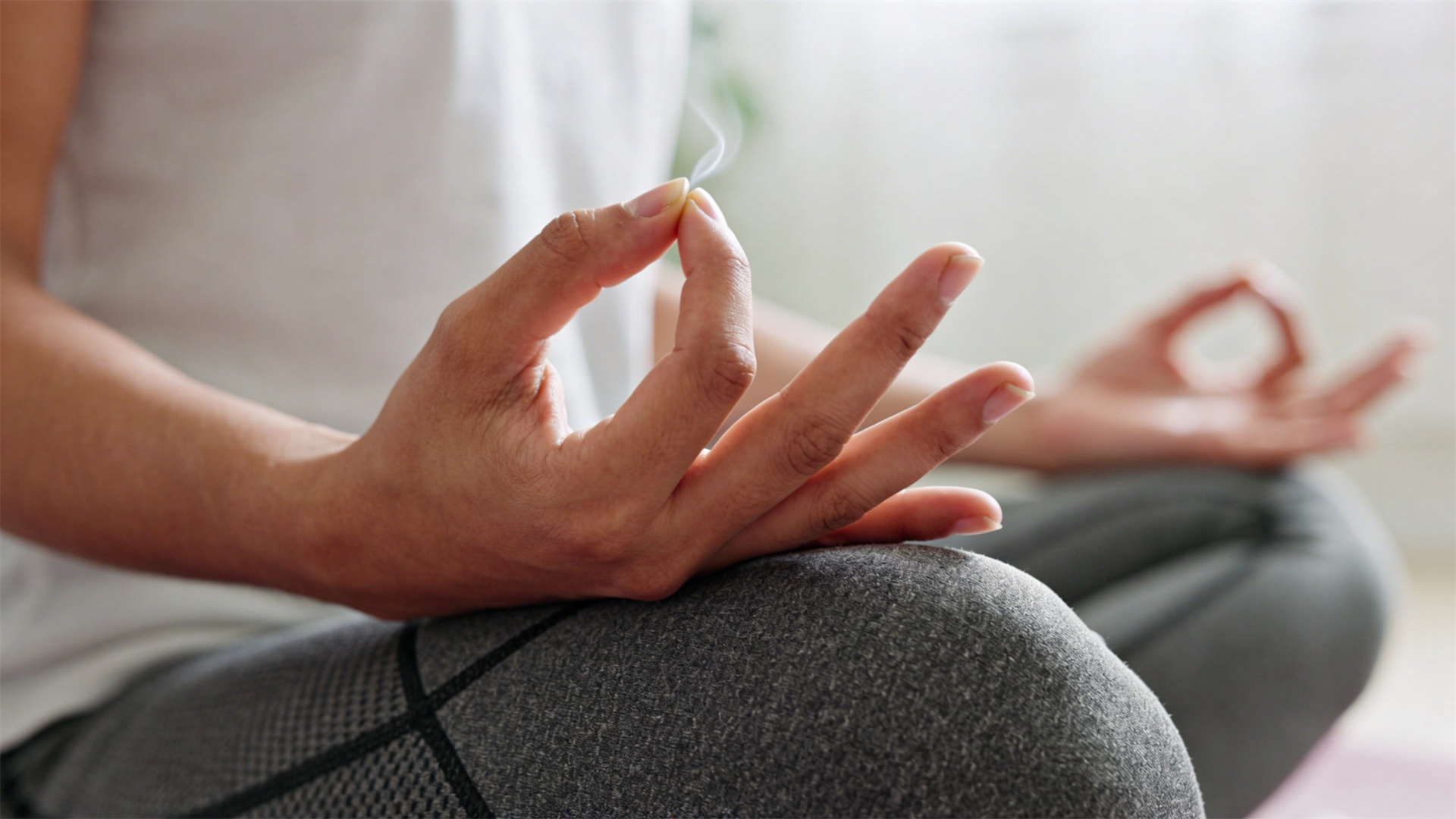
For a more structured and deeply grounding practice, Nadi Shodhana, or Alternate Nostril Breathing, is exceptionally effective. This technique is renowned for balancing the left and right hemispheres of the brain, integrating logical and emotional states, and creating profound equilibrium in the nervous system. It clears the subtle energy channels and results in a calm, focused alertness. Sit comfortably with your spine straight. Gently close your right nostril with your right thumb. Inhale slowly and deeply through your left nostril. At the top of the inhalation, close your left nostril with your ring finger, releasing your thumb from the right nostril, and exhale fully through the right nostril. Now, inhale through the same right nostril. Close it with your thumb, open the left nostril, and exhale through the left. This completes one cycle. Begin with a slow, even count for inhalation and exhalation, such as four seconds each. Practice for ten to twelve cycles. The immediate effect is a noticeable quieting of mental chatter and a sensation of the body and mind coming into harmonious alignment, making it perfect for resetting during a stressful day.
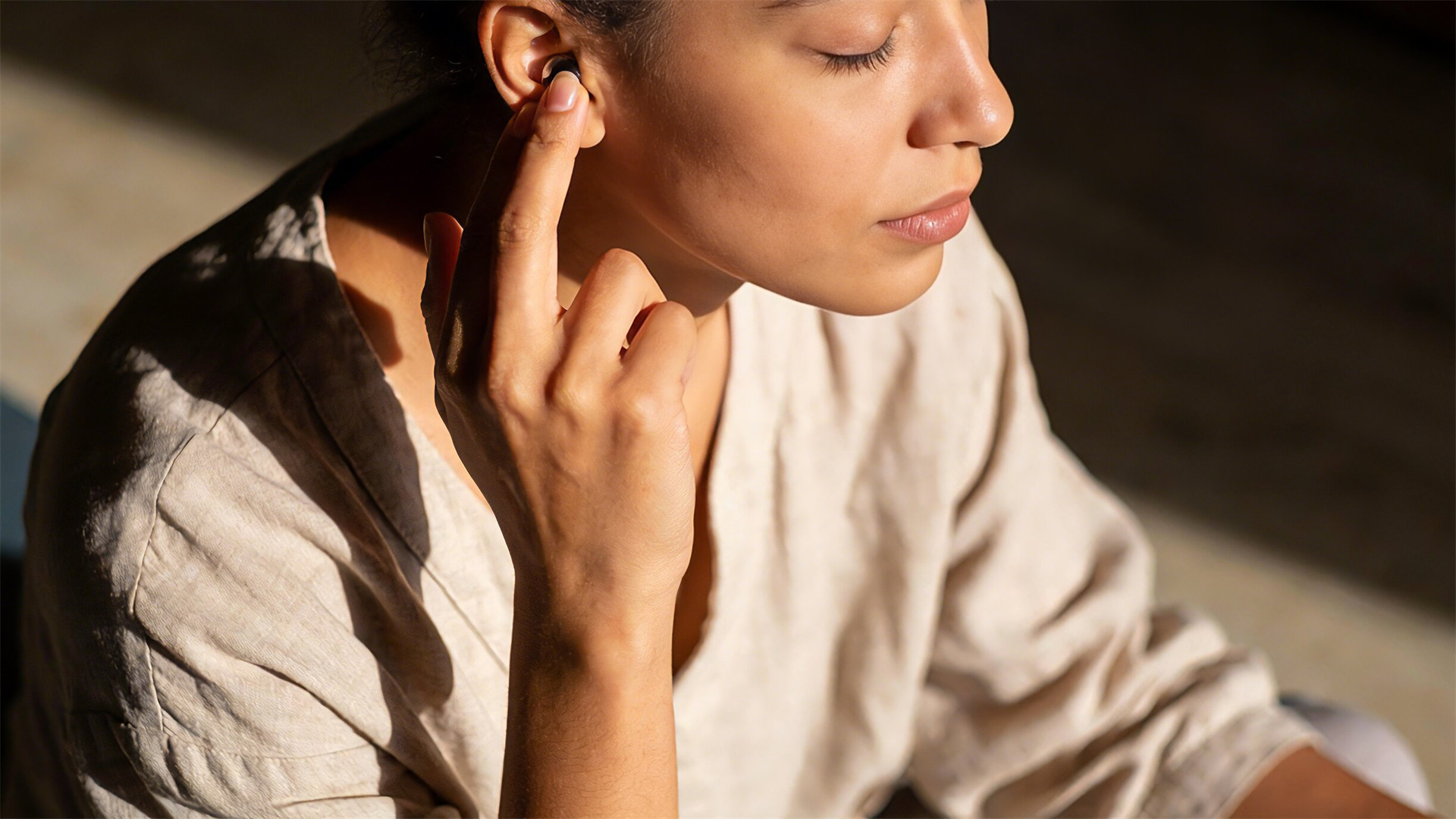
When anxiety feels high and thoughts are racing, a practice with an auditory component can be incredibly anchoring. Bhramari Pranayama, or Bee Breath, utilizes a gentle humming sound on the exhalation. The vibration created by the humming stimulates the vagus nerve, a critical component of the parasympathetic nervous system, triggering an immediate relaxation response. The sound also drowns out external and internal noise, focusing the mind on a single, soothing sensation. Sit comfortably, close your eyes, and take a few natural breaths. Inhale deeply through your nose. As you exhale, gently close your lips and make a low-pitched, steady humming sound, like the buzz of a bumblebee. Feel the vibration resonate in your head, throat, and chest. You can gently place your index fingers on the cartilage of your ears (the tragus) to softly close the ear canals, further internalizing the sound. Inhale again and repeat the humming exhale. Practice for six to ten breaths. The resonant vibration has an almost instant tranquilizing effect, cooling mental heat and frustration.
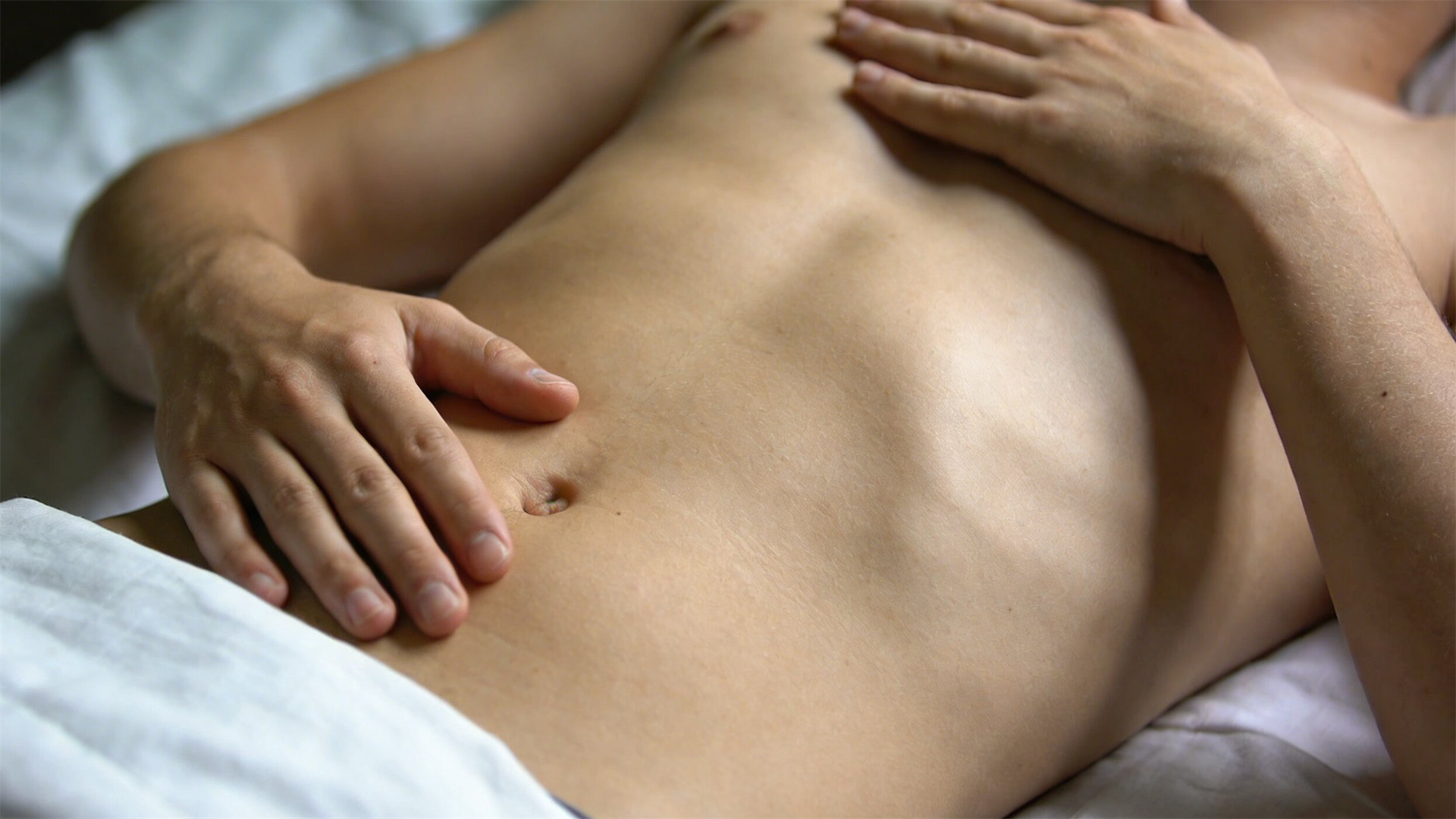
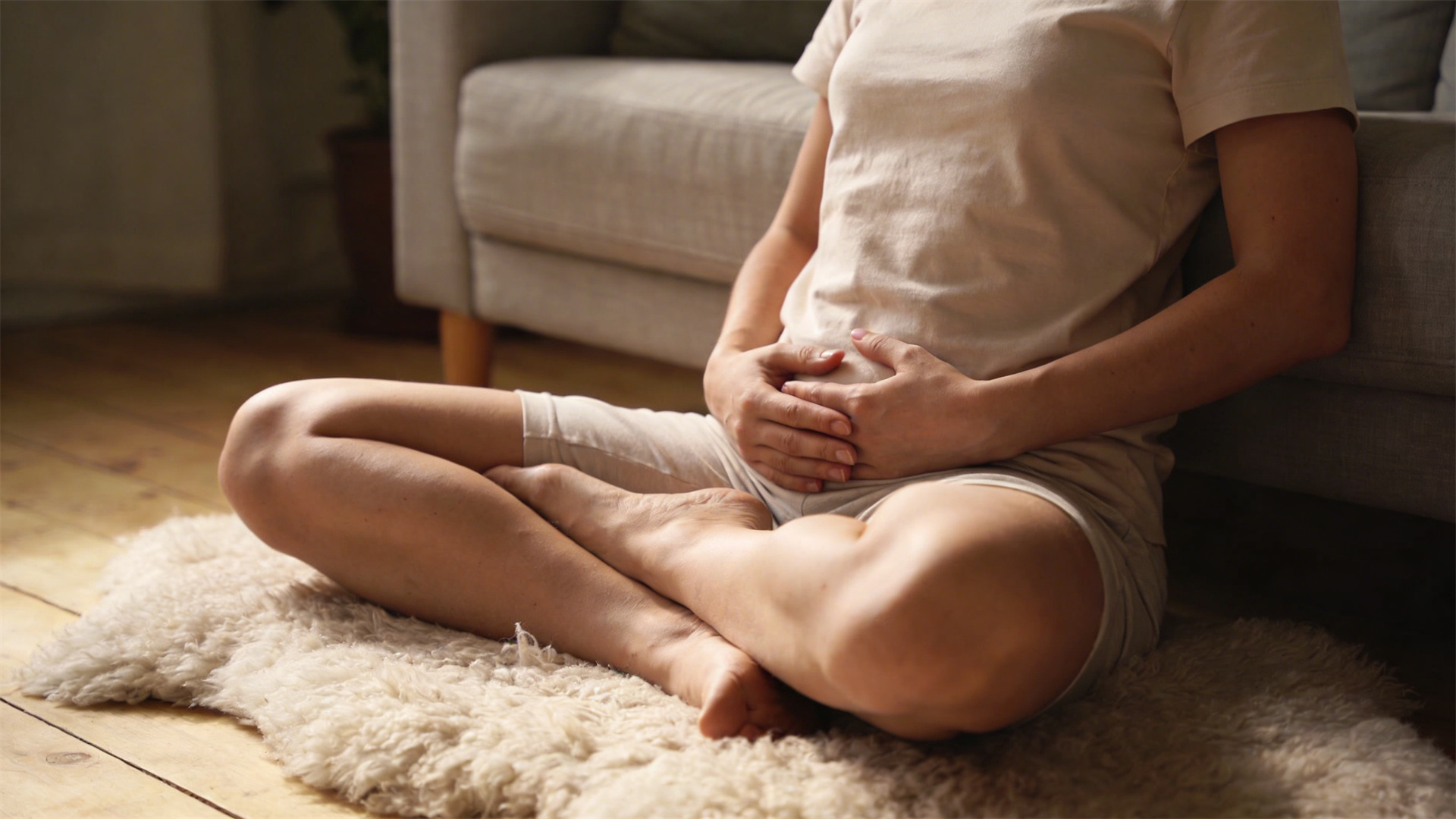
For moments of acute stress or panic, where the breath feels shallow and trapped in the chest, Dirgha Pranayama, or Three-Part Breath, is a vital tool. It works by forcibly expanding the natural breath into all areas of the lungs, counteracting the constricted breathing pattern of anxiety. This full expansion massages the internal organs and the vagus nerve, promoting systemic calm. Lie on your back or sit with a long spine. Place one hand on your lower belly and the other on your upper chest. Inhale slowly and deeply, first filling the lower belly so your hand rises, then allowing the breath to expand into the ribcage, and finally into the upper chest. Feel all three areas expand like a wave. On the exhale, release in reverse: let the upper chest fall, then the ribs, and finally gently draw the navel toward the spine to empty the lower lungs. Keep the breath smooth and continuous. Practice for ten to fifteen cycles. This technique instantly increases oxygen intake, slows the respiratory rate, and provides a tangible focal point that pulls awareness away from distressing thoughts and into the physical body.
While most calming techniques focus on the exhale, Sitali Pranayama, or Cooling Breath, offers a unique and instantly soothing mechanism through a modified inhalation. This practice is excellent for cooling anger, frustration, or the feeling of being "overheated" from stress. It has a direct physiological cooling effect on the body and mind. Sit comfortably. Roll your tongue lengthwise into a tube (if you cannot roll your tongue, simply part your lips and place the tip of your tongue behind your top teeth). Inhale slowly and deeply through the rolled tongue or parted lips, as if sipping air through a straw. You will feel a cool sensation across the tongue and into the throat. At the end of the inhalation, close your mouth and exhale slowly and completely through your nose. The warm exhale through the nose contrasts with the cool inhale. Continue for eight to twelve breaths. The combination of the focused breath shape, the cooling sensation, and the slow pace makes this a powerful antidote for instant emotional cooling and nervous system relief.
Ultimately, the power of these simple pranayama techniques lies in their direct access to our physiological state. They require no belief system, only a willingness to experiment with the breath. By engaging in these practices, we move from being passive victims of our nervous system's reactions to becoming active participants in regulating our inner state. The calm you seek is literally a few breaths away. Start with just two minutes of one technique when you feel stress arising. Consistency with these small moments builds resilience, training your nervous system to return to balance more easily over time. Make these techniques a non-negotiable part of your daily toolkit for well-being, and discover the profound peace that has been within you all along, waiting to be breathed into life.