
In our modern world of artificial lighting, 24/7 food availability, and constant digital stimulation, we have become profoundly disconnected from the natural rhythms that govern all life on Earth. This disconnect is not without consequence. Mounting scientific evidence suggests that ignoring the innate cycles of the day, the moon, and the seasons contributes to chronic stress, metabolic disorders, poor sleep, and a general sense of imbalance. The ancient wisdom of aligning our lives with nature’s tempo is finding validation in contemporary chronobiology and nutritional science. To reclaim optimal health, vitality, and well-being, we must consciously redesign our diet and daily habits to harmonize with these fundamental cycles. This is not about a rigid set of rules, but about cultivating a sensitive, flowing partnership with the natural world, allowing its inherent intelligence to guide our choices for nourishment and activity.

Our most immediate and powerful connection to natural cycles is the 24-hour circadian rhythm. Governed by the master clock in our brain’s hypothalamus, this rhythm regulates sleep-wake cycles, hormone release, digestion, and cellular repair. Disrupting this rhythm, through irregular eating, late-night screen exposure, or inconsistent sleep schedules, confuses our internal systems. Alignment begins with light. Seeking bright, natural light within the first hour of waking is a powerful signal to suppress melatonin and boost cortisol for daytime alertness. Conversely, minimizing exposure to blue light from screens in the evening supports the natural rise of melatonin, preparing the body for rest. Our eating patterns are equally crucial. Consuming the largest meal at midday, when digestive fire (agni in Ayurveda, metabolic rate in science) is strongest, optimizes nutrient absorption and energy utilization. A lighter, earlier dinner, ideally finished 2-3 hours before bedtime, allows digestion to complete before sleep, preventing energy diversion and promoting restorative rest. This daily rhythm of feasting with the sun and fasting with the moon is a cornerstone of metabolic health.
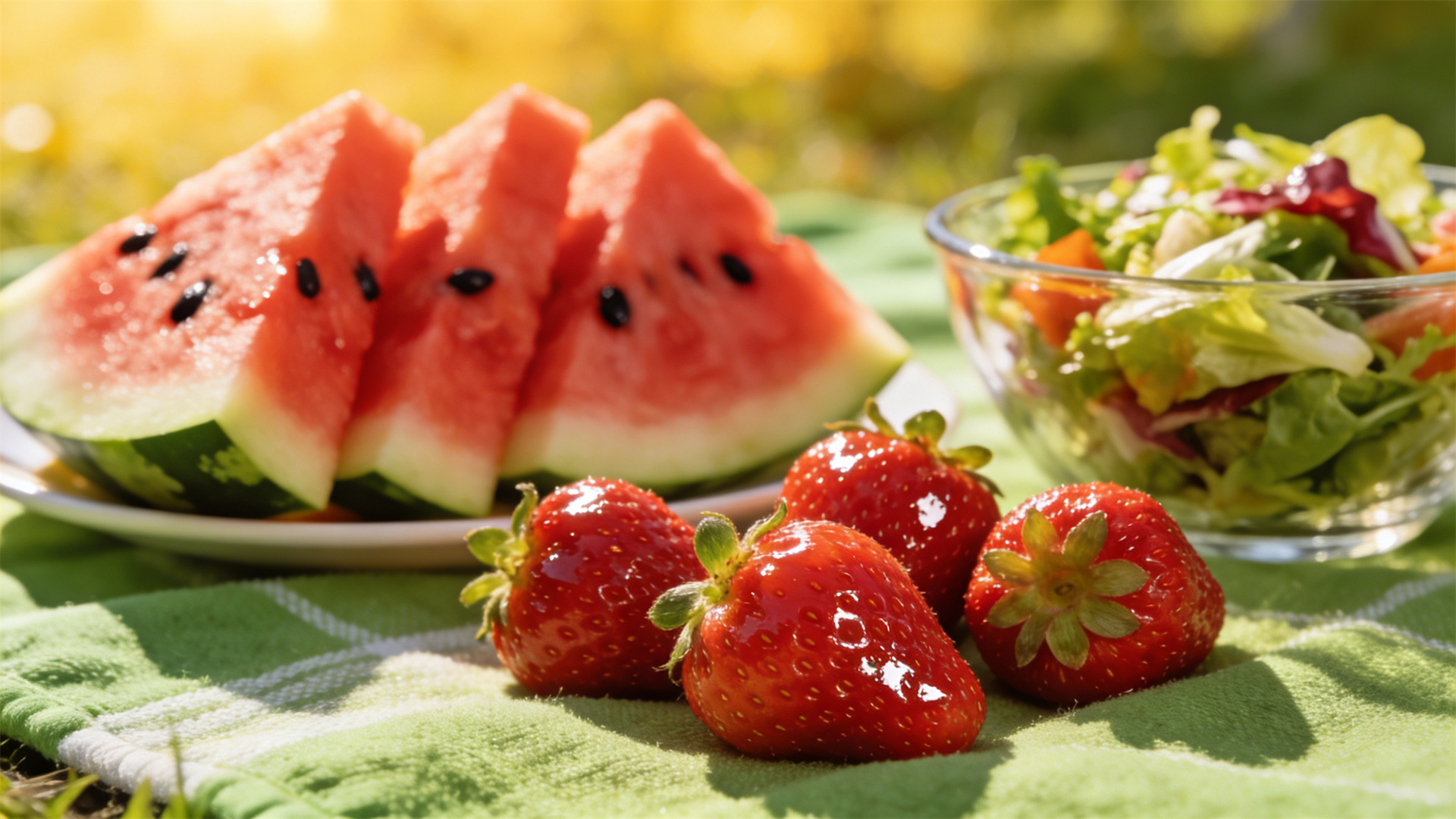
As the Earth journeys around the sun, the shifting seasons present a profound template for dietary and lifestyle adaptation. Nature provides precisely what our bodies need in each season, if we learn to listen. The vibrant, water-rich fruits and raw salads of summer naturally cool and hydrate the body. This is a time for lighter, more frequent meals, increased fluid intake, and energetic, outward-moving activities. As autumn arrives with its cooling, drying energy, our needs shift. Root vegetables, squashes, warming spices like ginger and cinnamon, and more substantial cooked meals help ground the body and build resilience. Winter calls for deep nourishment: hearty stews, bone broths, healthy fats, and warming foods that provide sustained energy and internal warmth. This is a season for introspection, rest, and conservation of energy, mirroring the hibernation in nature. Spring then invites a gentle cleanse, with bitter greens, sprouts, and lighter fare to help shed the heaviness of winter and support the liver’s natural detoxification processes. Eating seasonally and locally not only provides peak nutrition but also reconnects us to the land and its cycles.

While less emphasized in Western science, lunar cycles have been observed for millennia in various traditions to influence biological processes, particularly those involving water. The human body is approximately 60% water, and the moon’s gravitational pull affects tides, suggesting a potential subtle effect on our fluid balance. Traditional practices often align certain activities with moon phases. The waxing moon, moving from new to full, is seen as a time of building, absorption, and increasing energy—an ideal period for focusing on nourishment, strength-building exercises, and initiating new health projects. The full moon is frequently associated with heightened energy, potential sleep disturbances, and emotional sensitivity; a lighter diet and calming evening rituals can be beneficial. The waning moon, from full to new, is considered a time for release, elimination, and detoxification. This can be an optimal window for gentle cleansing diets, focusing on hydration, lymphatic massage, or letting go of unhelpful habits. Tuning into these monthly rhythms can add another layer of synchronicity and awareness to our wellness practice.

Our personal journey through life itself is a macro-cycle that demands respectful alignment. Nutritional and lifestyle needs are not static from childhood to our elder years. In youth and early adulthood, during phases of rapid growth and high activity, the body requires ample protein, calcium, and calories to support development. This is a time for building foundational strength and resilience. Middle age often becomes a pivotal period for preventive care, focusing on metabolic health, hormonal balance, and stress management through a balanced diet rich in phytonutrients, regular movement, and mindfulness practices. As we enter our senior years, the focus may shift to maintaining muscle mass (sarcopenia prevention), supporting bone density, and ensuring optimal nutrient absorption through easily digestible, nutrient-dense foods. Prioritizing protein, vitamin D, calcium, and B12 becomes crucial. Lifestyle habits should gently support mobility, cognitive function, and social connection. Honoring the changing needs of our own biological seasons allows us to age with grace and vitality.

True alignment extends beyond the plate and the clock; it encompasses our entire being and its interaction with the environment. Our habits of movement should mirror natural cycles. Engaging in more vigorous, yang activities (like running, cycling, strength training) during the daylight hours and morning aligns with the body’s energy peak. As evening approaches, transitioning to yin, restorative practices (like yoga, stretching, walking in nature) helps the nervous system downshift. Sleep is the ultimate act of alignment, the time when the body performs its most critical repair and regeneration work in sync with the dark phase of the solar cycle. Prioritizing consistent, high-quality sleep is non-negotiable for health. Furthermore, our mental and emotional rhythms benefit from cyclical observation. Just as nature has periods of explosive growth (spring) and quiet dormancy (winter), we too need periods of intense productivity balanced with intentional rest, reflection, and play. Forcing constant output is as unnatural as expecting a tree to bear fruit year-round.

Aligning with nature’s cycles is a dynamic, lifelong practice of observation and adjustment. It asks us to move from a mindset of control and constant availability to one of partnership and receptivity. By syncing our eating with the sun’s arc, varying our food with the seasons, respecting the need for rest, and honoring the different demands of our life stages, we do more than optimize physical health. We reduce inflammation, stabilize mood, enhance sleep, improve digestion, and boost energy. We cultivate a deep sense of belonging and ease, recognizing ourselves as an integral part of a larger, intelligent system. In a world pushing for perpetual summer and endless day, the path to optimal health may simply be the courage to embrace the natural dark and light, the feast and the fast, the activity and the rest, within and around us. Start by observing one cycle—the daily rhythm of light and food—and let that awareness gently expand to guide you back into harmony with the timeless pulse of life.